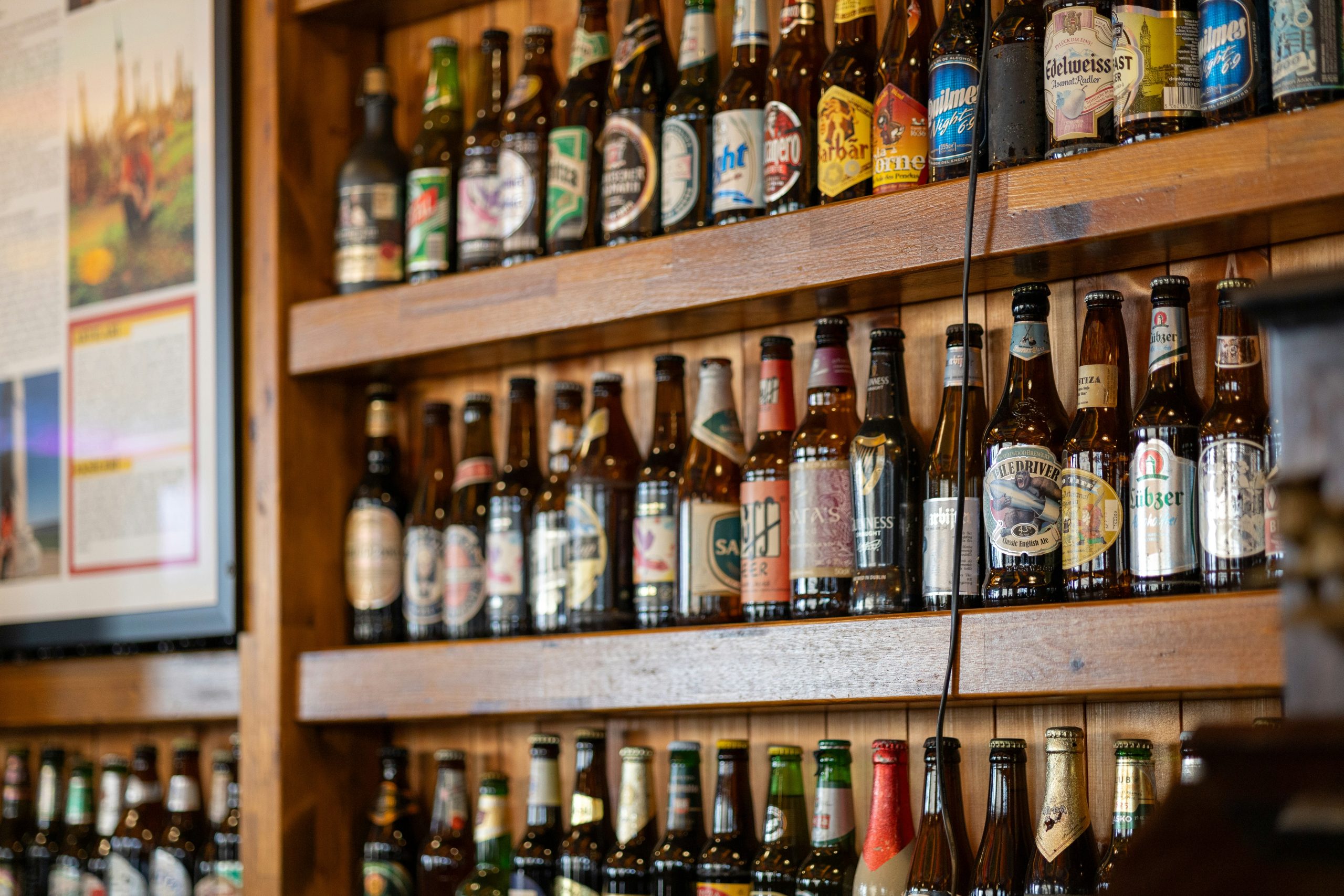

What defines German-style non-alcoholic beer: We're talking brews that faithfully recreate those classic German profiles-pilsner crispness, hefeweizen's banana-clove magic, the roasted comfort of a dunkel-while keeping things under 0.5% ABV. They pull this off through arrested fermentation, vacuum distillation, or membrane filtration (more on that nerdy stuff later). The payoff? Authentic bready malt backbone, noble hop character that actually comes through, and signature yeast notes minus the booze.
- True-to-style flavor: spotless lager fermentation, noble hops like Hallertau and Tettnang doing their thing, malt backbone that doesn't quit.
- Restrained bitterness for lagers; wheat styles bring those expressive clove and banana notes front and center.
- Best served properly chilled-38-45°F depending on style-in glassware that matters if you care about aroma and head retention.
Why German styles work so well in non-alcoholic beer
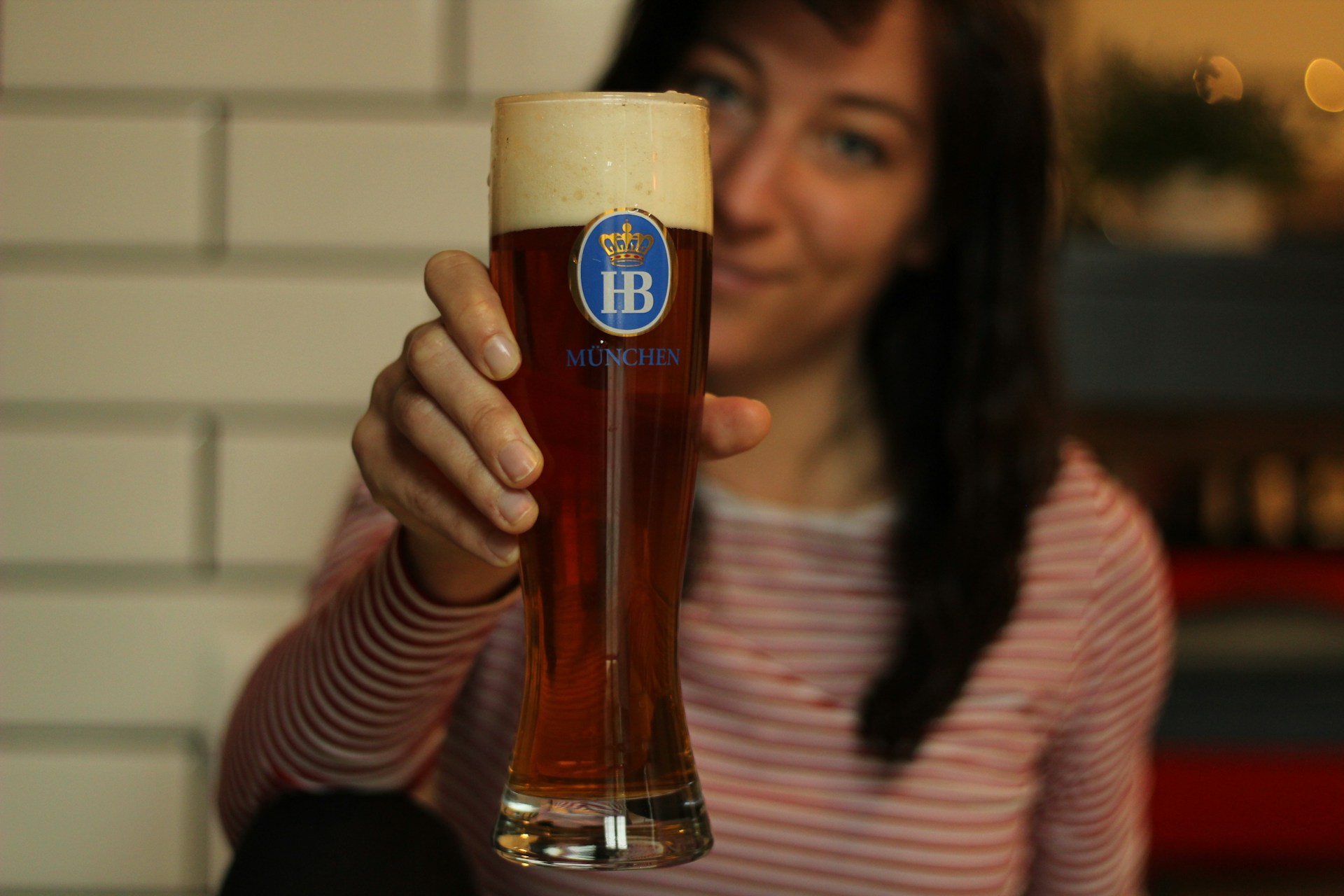 German brewing tradition isn't about flashy hops or trendy adjuncts-it's built on clean fermentation, dialed-in malt bills, and those restrained noble hop varieties. Turns out that foundation holds up beautifully when you strip out the alcohol. Unlike West Coast IPAs (which lean hard on booze to counterbalance aggressive bitterness), German lagers and wheat beers showcase crisp hop bite, bready malt sweetness, and delicate aromatics that somehow survive dealcoholization mostly intact.
The standout German-style NA beers typically use membrane filtration to hang onto volatile hop and yeast aromatics, or they arrest fermentation strategically to preserve natural malt sweetness and body. Both approaches matter enormously for head retention, mouthfeel, and that signature drinkability that makes German styles so ridiculously sessionable. Most competitor roundups will throw around words like "balanced" and "approachable" without explaining why-but these technical choices are what deliver beers that taste closer to their full-strength cousins than pretty much any other NA category out there.
German brewing tradition isn't about flashy hops or trendy adjuncts-it's built on clean fermentation, dialed-in malt bills, and those restrained noble hop varieties. Turns out that foundation holds up beautifully when you strip out the alcohol. Unlike West Coast IPAs (which lean hard on booze to counterbalance aggressive bitterness), German lagers and wheat beers showcase crisp hop bite, bready malt sweetness, and delicate aromatics that somehow survive dealcoholization mostly intact.
The standout German-style NA beers typically use membrane filtration to hang onto volatile hop and yeast aromatics, or they arrest fermentation strategically to preserve natural malt sweetness and body. Both approaches matter enormously for head retention, mouthfeel, and that signature drinkability that makes German styles so ridiculously sessionable. Most competitor roundups will throw around words like "balanced" and "approachable" without explaining why-but these technical choices are what deliver beers that taste closer to their full-strength cousins than pretty much any other NA category out there.
Top picks by style: 22 recommended German-style NA beers
We've sorted our German-style non-alcoholic favorites by classic brewing tradition. Real talk though-availability bounces around by region and season, so use the locator tools further down to see what's actually in stock near you right now.Pilsner and Helles (crisp, floral, balanced)
- Athletic Lite (German-style light lager): featherweight malt presence with this soft Hallertau-esque hop snap; perfect for tailgates, poolside hangs, and when you're watching calories, served ice-cold around 25-40°F.
- Brooklyn Special Effects Hoppy Amber (lager-adjacent, German-leaning): toasty amber malt married to gentle hop spice; fuller-bodied, food-friendly pick for when you want more substance.
- Bitburger Drive 0.0: textbook German pils crispness with firm herbal bite; solid baseline that nails the essence of northern German pilsner tradition.
- Weihenstephaner 0.0 Pils (where imported): laser-clean bitterness, grassy noble hop aromatics, bone-dry finish; benchmark for authenticity when you can track it down.
- Heineken 0.0 (continental pilsner-style): everywhere you look, crisp herbal finish, light body; familiar gateway option for NA newcomers.
- Beck's 0.0 (northern German pils heritage): firm bitter backbone with clean malt; straightforward, satisfying, stupid-easy to find nationwide.
- Clausthaler Original: the OG NA lager pioneer-balanced, bready, utterly ubiquitous; reliable everyday sipper.
Kölsch and Golden Ale (delicate fruit, lagered smoothness)
- Two Roots Enough Said (German-style lager, kölsch-adjacent): crisp straw malt with a whisper of pear; clean, picnic-ready sessionability.
- Surreal Natural Bridges Kolsch-Style: light cracker malt, citrus peel hints, gentle hop finish; sessionable and widely distributed through online channels.
Hefeweizen and Wheat (banana-clove, silky foam)
- Erdinger Weissbier Alkoholfrei: textbook banana and clove phenolics with a sneaky electrolyte boost; ridiculously good post-run or post-ride refreshment.
- Weihenstephaner Hefeweissbier 0.5: rich foam crown, ripe banana esters, spicy clove backbone, mouthfeel that's shockingly close to the real deal; this is the gold-standard hefeweizen experience.
- Paulaner Weissbier 0.0: soft wheat body with an orange zest impression; approachable and absolutely made for brunch spreads.
- Clausthaler Weissbier NA (regional): balanced phenolics with subtle lemon character; dependable wheat option where you can find it.
Dunkel, Schwarzbier, and Dark Lager (toast, cocoa, smooth finish)
- Einbecker Brauhaus NA (darker lager variants): nutty bread crust meets bittersweet cocoa; pairs gorgeously with roast chicken and mushroom dishes.
- Bravus Oatmeal Dark (German-leaning lager fermentation): roasted malt without the acrid bite, creamy oat-enhanced texture that works.
- Untitled Art Dark NA Lager (when available): bittersweet cocoa with that clean lager finish; limited-release gem absolutely worth seeking out.
Bock and Festbier (malt-forward, seasonal)
- Weihenstephaner 0.0 Festbier (seasonal): toasty Vienna malt with crisp noble hop balance; Oktoberfest pairing champion come late summer and fall.
- Einbecker NA Bock: caramelized malt and herbal hop harmony; rich, slow-sip experience perfect for fireside moments.
Radler and Shandy (German-inspired refreshers)
- Clausthaler Dry-Hopped with Grapefruit: zesty citrus layered over that clean lager base; patio-ready refreshment when the weather turns.
- Untitled Art Florida Weiss NA (German Berliner Weisse roots): tart, lightly fruited, with palate-waking acidity; adventurous pick for sour fans.
Find German NA Beer Near You
Real-time NA menus.


Flavor and food pairing guide for German-style NA beers
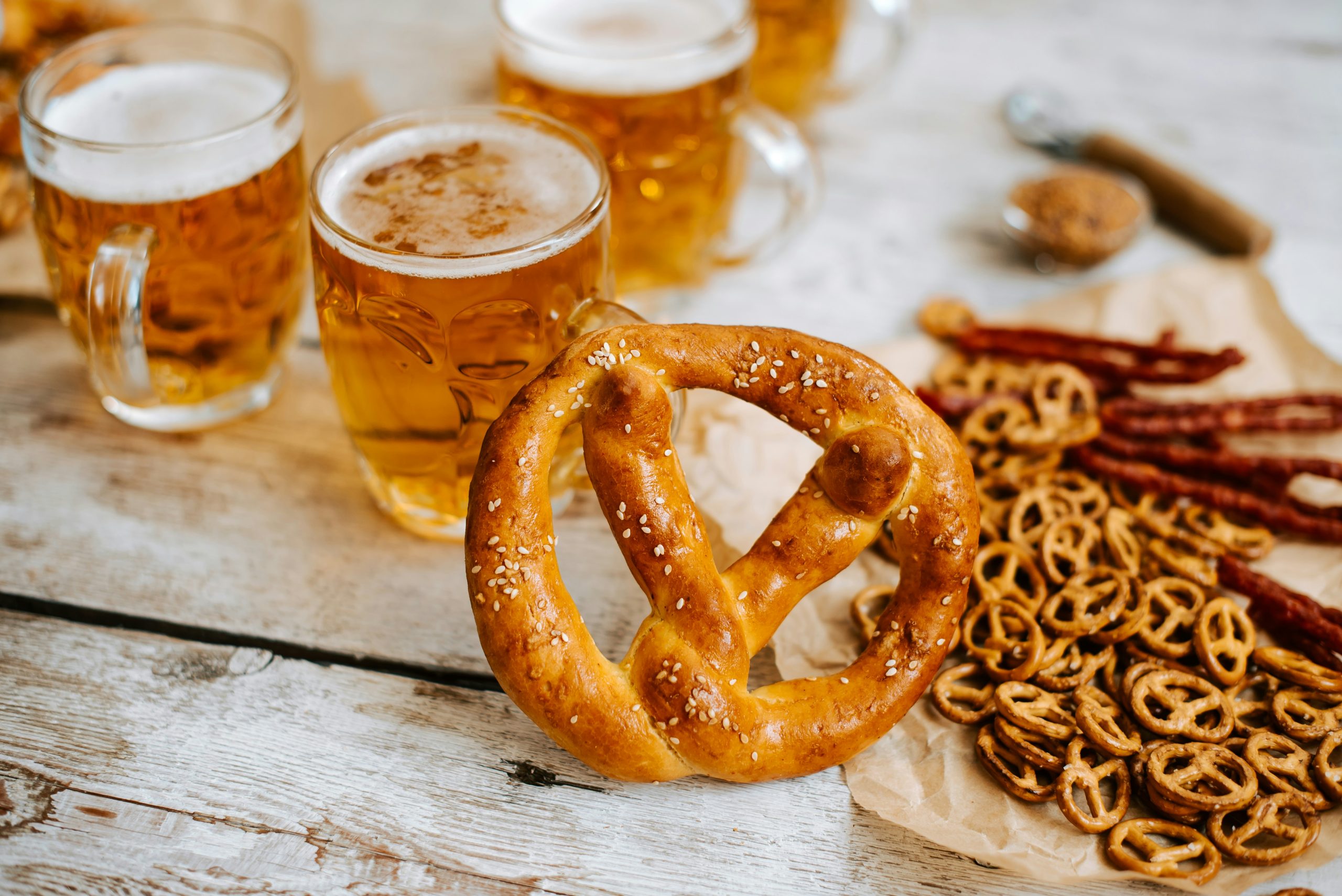 Pairing elevates non-alcoholic beer just like it does traditional stuff-maybe more so, honestly, since you're tasting without the alcohol haze. German styles absolutely thrive alongside salt, fat, and gentle spice, which pull out malt sweetness and amplify those noble hop aromatics without steamrolling the delicate fermentation character.
| Style | Key flavors | Best pairings | Occasion |
|---|---|---|---|
| Pilsner/Helles | Cracker malt, floral hops, crisp bite | Grilled bratwurst, schnitzel, German potato salad, soft pretzels | Cookouts, game day, casual hangs |
| Kölsch | Soft fruit, clean finish, delicate malt | Roast chicken, pretzels, light cheeses | Lunch, picnics, spring afternoons |
| Hefeweizen | Banana, clove, vanilla, silky wheat | Weisswurst, fresh salads, eggs Benedict, fruit plates | Weekend brunch, summer patio sessions |
| Dunkel/Schwarzbier | Toast, cocoa, light roast, nutty finish | Burgers, sautéed mushrooms, aged Gouda, grilled pork | Evening dinners, cool-weather comfort |
| Festbier/Bock | Toasty, caramel malt, noble hop balance | Roast pork, spaetzle, caramelized onions, root veg | Oktoberfest gatherings, holidays, fall feasts |
| Radler/Shandy | Citrus, light sweetness, refreshing acidity | Grilled seafood, fish tacos, green salads, summer rolls | Hot-weather sessions, poolside |
How NA German beer is made (and why it matters for flavor)
Three dealcoholization methods dominate German-style NA production: arrested fermentation, vacuum distillation, and membrane filtration. Each one shapes the final flavor profile in ways that actually matter when you're drinking.Arrested fermentation stops yeast activity early, which preserves residual malt sweetness and body-though it requires careful yeast strain selection or you end up with worty, unfermented off-flavors nobody wants. Vacuum distillation pulls out alcohol at low temps (typically around 55-65°C), protecting delicate hop and malt aromatics from heat damage that would otherwise wreck them. Membrane filtration physically separates alcohol molecules with minimal heat exposure, often yielding the cleanest, crispest lager profiles-basically ideal for pilsners and helles where there's nowhere to hide. Here's the thing: German pilsners are utterly unforgiving and showcase every single flaw. Breweries that invest in precision filtration or controlled distillation tend to dominate blind taste tests for a reason. Wheat beers, by contrast, can mask minor process artifacts with those expressive banana and clove yeast characteristics-which is probably why hefeweizen often excels in non-alcoholic form even with simpler production techniques. Want to explore breweries by production technique or core styles they nail? Browse NA breweries near you and check individual brewery pages for the goods on flagship styles, seasonals, and dealcoholization methods they're using.
Serving, glassware, and storage tips for German-style NA beer
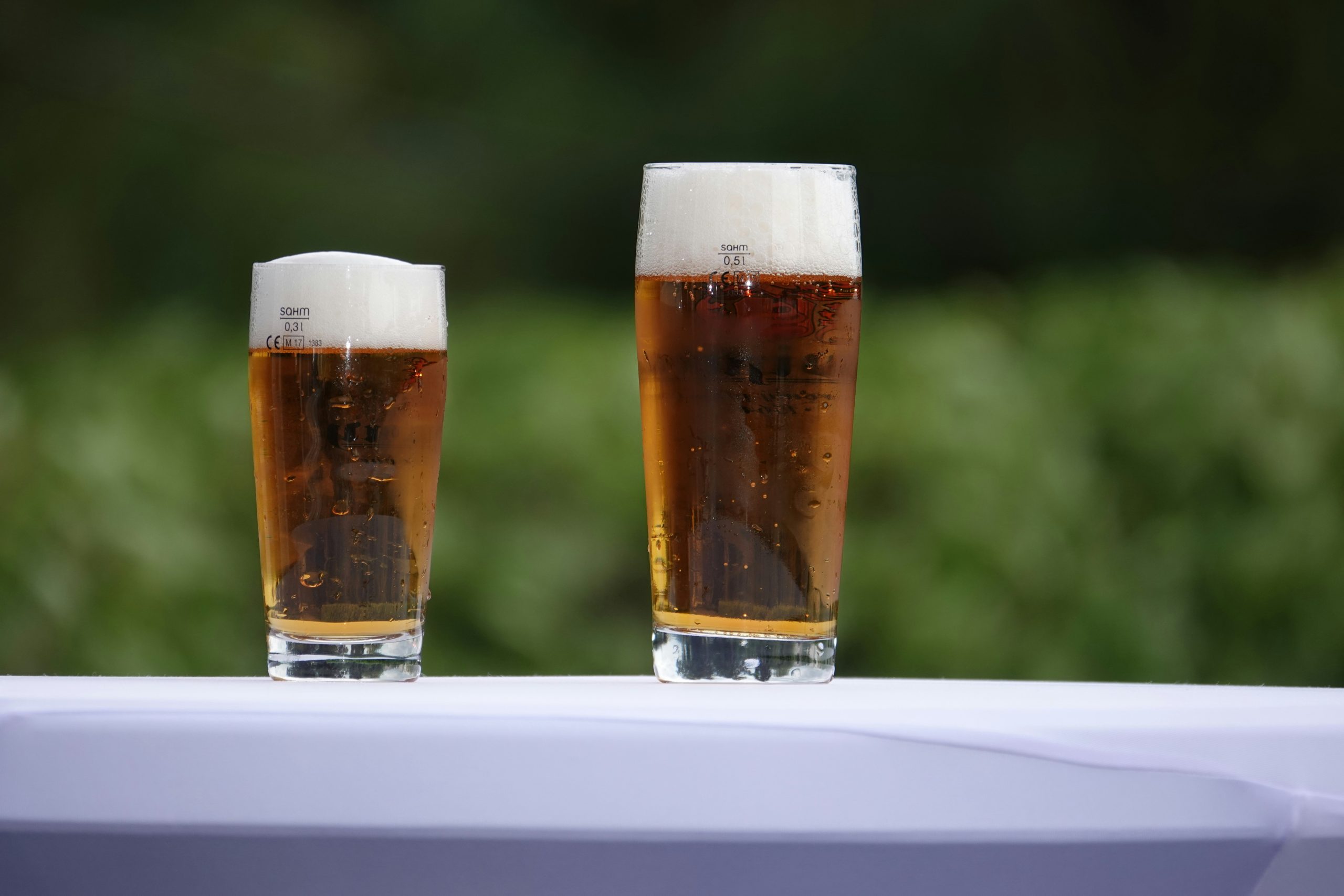
- Chill to style: 38-40°F for pilsners and helles; bump it to 42-45°F for hefeweizen and dark lagers. Proper temperature actually unlocks aroma and keeps bitterness balanced.
- Use clean, aroma-friendly glassware: tall hefeweizen vase (Weizenglas) for wheat beers; narrow stange for kölsch; classic willi becher (German pint glass) for lagers and pilsners.
- Pour technique matters: Gentle pour for wheat beers to build that thick foam crown carrying banana-clove aromatics; firmer pour for pilsners to release hop oils and crisp bitter character.
- Store cold and upright: NA beer can stale faster than alcoholic versions due to lower ethanol content and higher oxygen sensitivity. Keep it refrigerated and knock it back within a few months of purchase for peak freshness.